Living Off the Land: Geopolitical Infiltration of Global Utilities and the $10 Trillion Cyber Debt Cliff
As state-sponsored operators replace noisy malware with native administrative credentials across power and water SCADA systems, the insurance market is quietly dropping critical infrastructure coverage. We analyze the financial and strategic unraveling of the grid.
# Living Off the Land: Geopolitical Infiltration of Global Utilities and the $10 Trillion Cyber Debt Cliff
For over two decades, the corporate risk model for critical infrastructure rested on a comfortable dogma: install perimeter firewalls, mandate employee security training, and purchase commercial cyber insurance policies to absorb catastrophic balance-sheet shocks. In late 2026, that entire edifice of manufactured security has collapsed. The shift by nation-state actors from opportunistic ransomware extortion to deep, persistent "Living off the Land" (LotL) footholds inside operational technology (OT) has rendered conventional defensive doctrines obsolete.
Simultaneously, the global reinsurance market has taken decisive evasive action. Major underwriting syndicates in London, Zurich, and Bermuda have implemented strict, non-negotiable war and infrastructure exclusion clauses. Western economies are now operating atop an estimated ten-trillion-dollar uninsurable cyber liability deficit—a silent financial cliff waiting to be detonated by geopolitical confrontation.
The Asymmetry of Native Credential Warfare
The fundamental challenge of LotL methodology—exemplified by advanced state-level threat clusters such as Volt Typhoon and Sandworm—is that it generates zero traditional indicators of compromise (IoCs). Instead of compiling custom trojans that trigger endpoint detection heuristics, hostile actors harvest legitimate domain administrator credentials, access programmable logic controllers (PLCs), and use native command-line binaries (PowerShell, WMI, netsh) already integrated into utility server stacks.
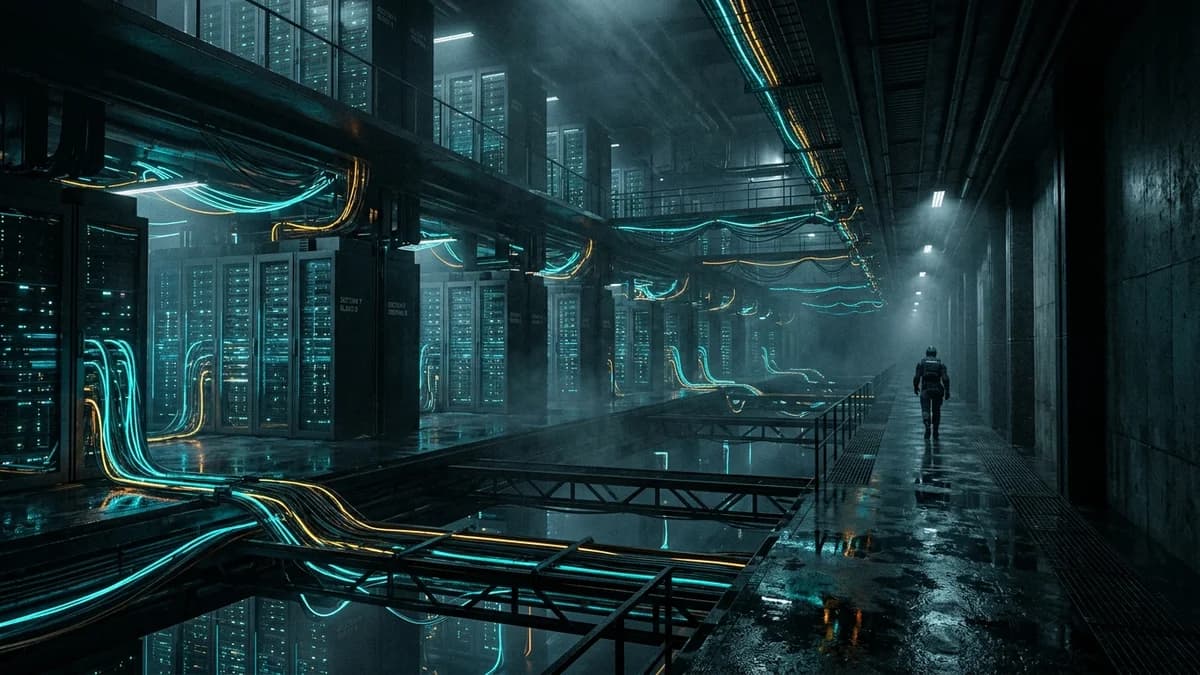
To an automated security operations center, the command sequence that opens a high-voltage transmission breaker or overrides chemical dosing pumps in a water treatment reservoir appears indistinguishable from routine maintenance executed by a certified municipal technician. This shifts the strategic balance entirely toward the attacker:
| Metric | Traditional Ransomware Attack | State-Sponsored LotL Infiltration |
|---|---|---|
| Primary Objective | Immediate financial extortion via data encryption | Long-term dormant pre-positioning for wartime disruption |
| Dwell Time | 4 to 14 days before detonation | 18 to 36 months undetected persistence |
| Detection Complexity | Low (antivirus / file integrity signatures) | Extreme (behavioral anomalies of authorized admin tools) |
| Reinsurance Coverage | Partial commercial recovery | Explicitly excluded under systemic warfare riders |
| Downstream Impact | Business office IT downtime | Physical destruction of multi-ton turbine assets |
The Uninsurable Sovereign Deficit
Insurance is predicated on the mathematical pooling of uncorrelated risks. A hurricane in the Caribbean does not cause an earthquake in Tokyo; insurers can balance claims across diversified asset classes. However, a coordinated cyber campaign that simultaneously targets transmission interconnects, regional natural gas pipeline compressor valves, and municipal water treatment plants is a systemic, perfectly correlated event.
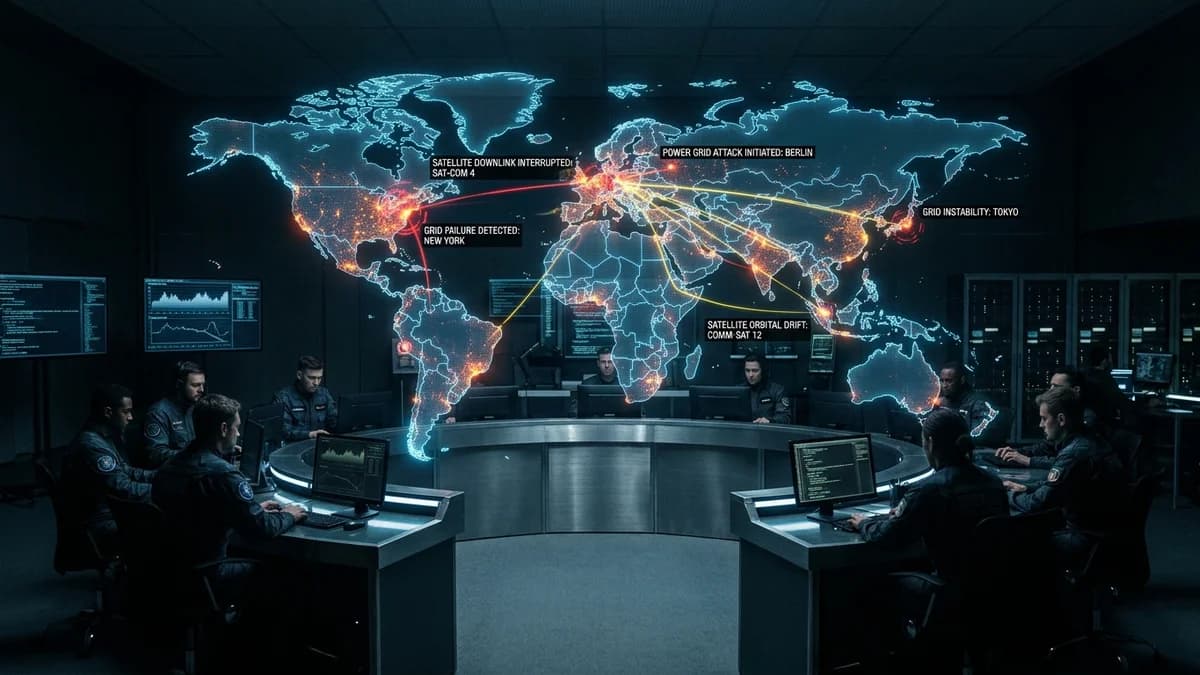
When Swiss Re, Munich Re, and Lloyd's syndicates excised state-backed infrastructure outages from standard policies, they effectively transferred the ultimate financial liability to sovereign balance sheets. Yet no national treasury possesses the liquidity reserve required to backstop multi-month electrical grid reconstitutions. If three regional balancing authorities collapse under malicious control logic, replacement hardware costs, business interruption claims, and physical asset replacements would wipe out years of industrial GDP.
Strategic Realignment: The Decentralization Mandate
The strategic conclusion facing energy analysts and corporate risk committees in late 2026 is inescapable: centralized, internet-connected SCADA infrastructure cannot be fully secured against well-resourced state adversaries. The only viable long-term mitigation is physical decoupling—implementing hard air-gaps, analog mechanical overrides, manual centrifugal governor valves, and islandable microgrids that can operate independently when the hyper-connected bulk power system fractures.
Until that painful, multi-decade capital recapitalization is completed, modern industrial societies remain held hostage by the silent, pre-positioned commands lurking within their own municipal wires.