Record-Breaking Super El Niño Triggers Planetary Heat Collapse: Ocean Heat Dome & Systemic Shock
Record-breaking equatorial Pacific sea surface temperatures have breached historic thresholds. We analyze the destabilization of marine ecosystems, atmospheric rivers, and the cascading failure of agricultural food basins under unprecedented heat pressure.
# Record-Breaking Super El Niño Triggers Planetary Heat Collapse
The Breaching of Ocean Thermal Thresholds
The equatorial Pacific has crossed a dangerous tipping point. Sea surface temperature (SST) anomalies in the Niño 3.4 region have officially exceeded +3.2°C above the 1991–2020 baseline, eclipsing both the catastrophic 1997–98 event and the 2015–16 Godzilla El Niño. Unlike historical cycles driven by standard ocean-atmosphere feedbacks, the 2026 super El Niño is supercharged by multi-decadal sub-surface heat accumulation that climate models failed to anticipate.

A massive marine heat dome now spans thousands of kilometers from the coast of Peru across the International Date Line. Oceanographers at the National Oceanic and Atmospheric Administration (NOAA) have recorded surface water temperatures off the Galápagos exceeding 31.5°C—a level that effectively arrests the cold, nutrient-rich Humboldt Current upwelling. The immediate biological consequence is catastrophic: commercial anchoveta fisheries have collapsed by over 80%, starvation events are rippling through pelagic food webs, and mass coral bleaching has engulfed the entire western hemisphere reef corridor.
Atmospheric River Ruptures and Desiccation Corridors
The thermal energy released by this ocean super-battery has radically displaced the Pacific jet stream. The atmospheric heat engine is generating a relentless atmospheric whiplash:
- Atmospheric Deluges: Unprecedented atmospheric rivers are slamming into the western coasts of North and South America, triggering devastating mudslides, reservoir overflows, and urban infrastructure destruction.
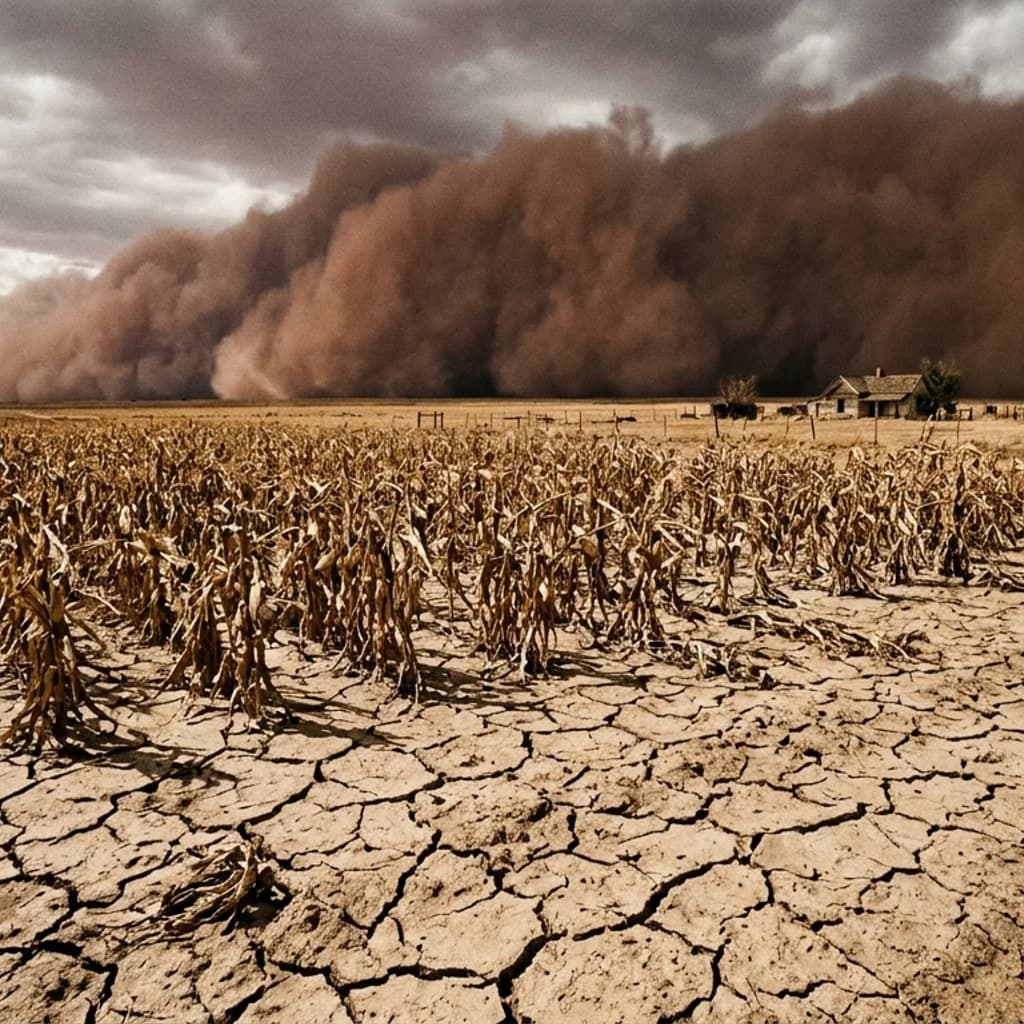
- Agricultural Desiccation: In Southeast Asia, Southern Africa, and Eastern Australia, the reverse arm of the Walker circulation has locked in catastrophic drought conditions. Major river basins—including the Mekong, Zambezi, and Murray-Darling—are running at historic fractional capacity.
- Monsoon Disruption: The South Asian summer monsoon has arrived with severe geographic distortions, flooding coastal belts while leaving primary wheat and rice agricultural zones bone dry.
The Cascading Failure of Global Breadbaskets
The synchronicity of these climate disruptions presents an existential threat to just-in-time food logistics. Modern civilization relies on five major grain-producing regions for 70% of global caloric intake. The current El Niño anomaly is impacting three of these basins simultaneously:
- 01.South American Soy and Corn Belt: Intense rainfall in southern Brazil has washed away critical topsoil and delayed planting seasons, while drought in northern Argentina threatens late-season crop yields.
- 02.Indo-Pacific Rice Production: Export bans on non-basmati white rice are expanding across ASEAN producers as domestic emergency reserves dwindle.
- 03.African Grain Reserves: Widespread harvest failures across the Sahel and southern African nations have pushed tens of millions into acute food insecurity, accelerating mass migration towards urban centers and borders.
When ocean heat domes shatter meteorological predictability, the baseline assumptions governing global trade, water security, and civil stability disintegrate. This is not a temporary seasonal variation; it is the structural reorganization of the biosphere.