Strait of Hormuz Blockade and Russian Escalation: Anatomy of the 2026 Global Oil Shock
With naval combat severing Persian Gulf tanker routes and Russian infrastructure warfare choking Eurasian pipelines, global crude has skyrocketed past historic peaks. We detail the mechanics of the resulting diesel rationing and industrial collapse.
# Strait of Hormuz Blockade and Russian Escalation: Anatomy of the 2026 Global Oil Shock
The Severing of the Persian Gulf Arteries
The long-dreaded convergence of Middle Eastern warfare and Eastern European revanchism has ignited the most severe energy disruption since the 1973 embargo. Following targeted strikes on Iranian military facilities, the Islamic Revolutionary Guard Corps (IRGC) deployed smart anti-ship naval mines, asymmetric drone swarms, and land-based anti-ship cruise missiles across the Strait of Hormuz—the maritime bottleneck through which 21 million barrels of crude oil pass daily.
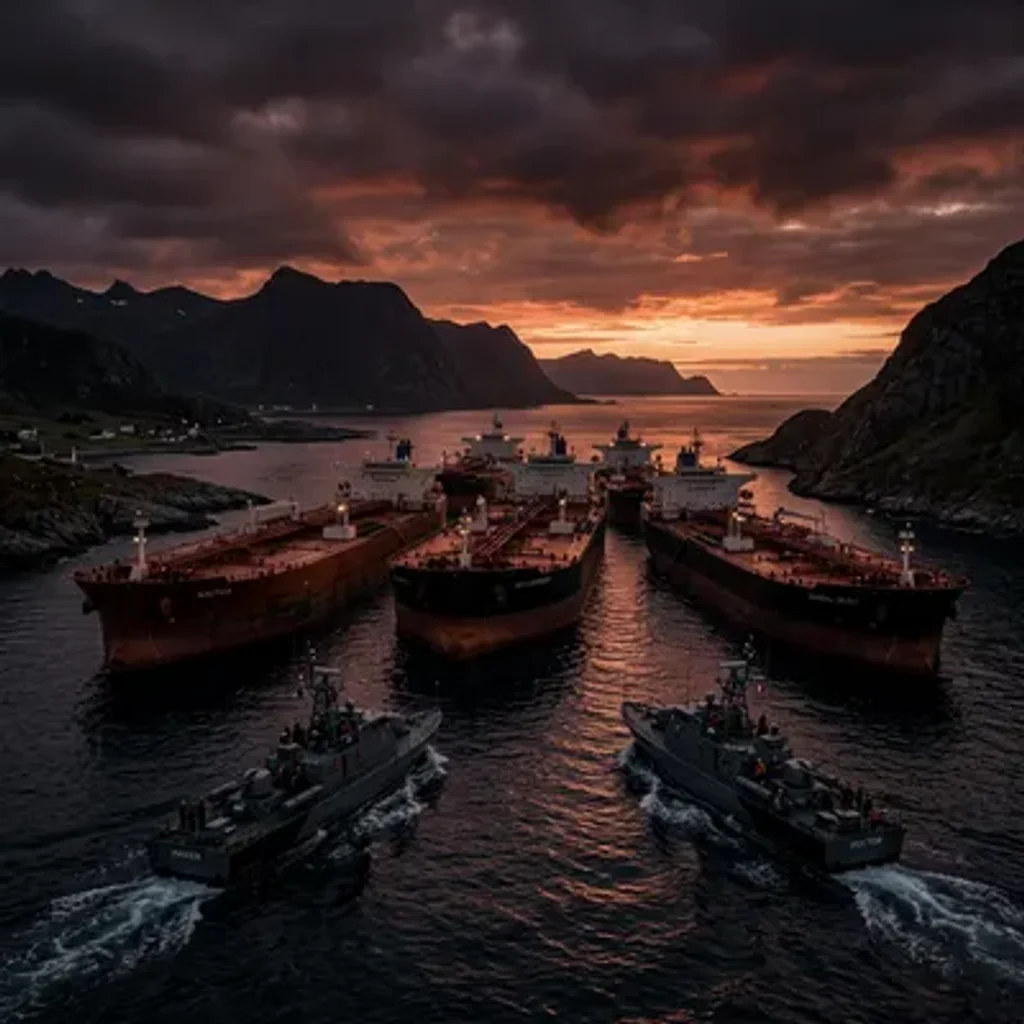
Lloyd's and major maritime insurance syndicates promptly canceled war-risk underwriting for Persian Gulf transit. Within seventy-two hours, over three hundred supertankers (VLCCs) anchored offshore, unable to navigate the minefields or secure clearance. Brent crude surged past $165 per barrel within five trading sessions, with Asian refiners scrambling to purchase remaining non-Gulf spot cargoes at exorbitant premiums.
Russian Pipeline Weaponization and European Freezes
Simultaneously, the Russian Federation capitalized on Western naval distraction in the Gulf to escalate its asymmetric infrastructure offensive across Eastern Europe. Deep-sea pipeline interdictions, sabotage of Baltic seabed interconnectors, and the complete shutdown of remaining gas transit through Ukrainian transit points have effectively eliminated Europe's buffer reserves ahead of the replenishment season.
This coordinated energy chokehold has exposed the razor-thin operating margins of global petroleum refining:
- Diesel and Middle Distillate Deficits: Unlike gasoline used primarily for consumer transit, diesel fuels commercial freight, agricultural tractors, mining haulers, and backup hospital generators. Global inventories have plummeted to under sixteen days of supply.
- Fertilizer Production Stoppages: Ammonia and nitrogen fertilizer facilities in Western Europe have halted operations due to natural gas feedstock shortages, locking in reduced crop yields for the subsequent agricultural year.
- Aviation Groundings: Jet-A1 fuel supplies at major international logistics hubs have been commandeered for military logistics and emergency freight under defense production directives.
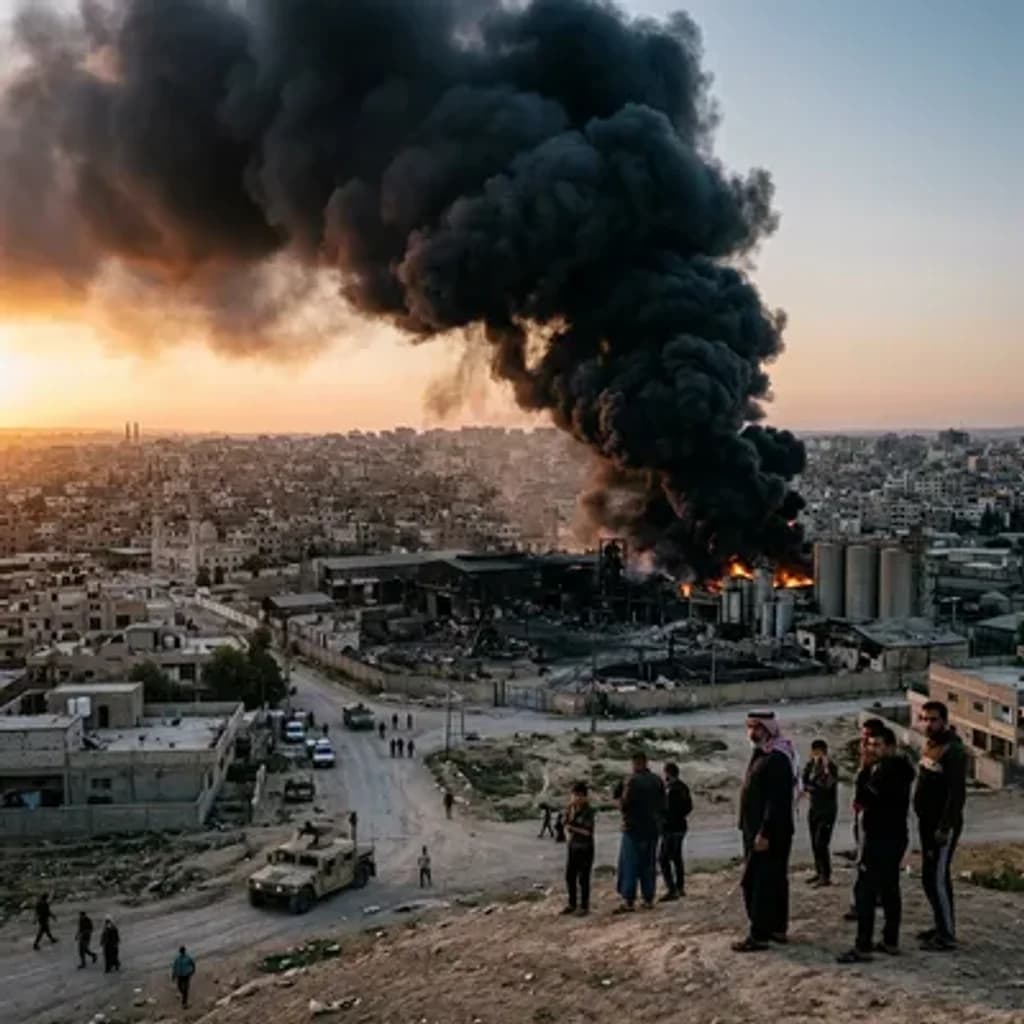
The Cascade to Physical Rationing
The economic consequence of a physical fuel deficit is fundamentally non-linear. Financial inflation can be moderated through monetary policy; a physical shortage of energy inputs cannot. In several European and developing economies, governments have initiated mandatory fuel allocation: commercial shipping restricted to essential medical and food corridors, private vehicle fuel quotas capped at twenty liters per week, and diesel priority diverted strictly to emergency services and agricultural harvesting.
The world is discovering the brutal reality of fossil energy dependence: civilization is not an economy layered on top of technology; it is an energy heat engine. When the fuel lines are severed, every complex supply chain unravels in days.