Strategic Assessment: The Moscow-Tehran Axis and Western Energy Siege
A comprehensive geostrategic evaluation of the deepening Moscow-Tehran military-economic alignment, the weaponization of Middle Eastern maritime chokepoints, and the resulting multi-year Western energy deficit.
# Strategic Assessment: The Moscow-Tehran Axis and Western Energy Siege
The Institutionalization of the Eurasian Energy Citadel
The protracted conflict involving Iran and the persistent military confrontations across Eastern Europe have solidified a permanent structural alliance between Moscow and Tehran. What initially began as opportunistic arms-for-drones transactions has evolved into an integrated economic, logistical, and defensive axis designed to systematically insulate both nations from Western sanction regimes while exerting direct leverage over global energy supply corridors.
Central to this architecture is the International North-South Transport Corridor (INSTC). By bypassing traditional oceanic bottlenecks controlled by NATO naval forces, this multimodal transit route links St. Petersburg to Mumbai via the Caspian Sea and the Iranian port of Bandar Abbas. For the West, the strategic implication is profound: Russian crude, refined petroleum products, and critical minerals are securely channeled into hungry Asian markets, denying Europe the ability to enforce oil price caps or squeeze sovereign revenues.
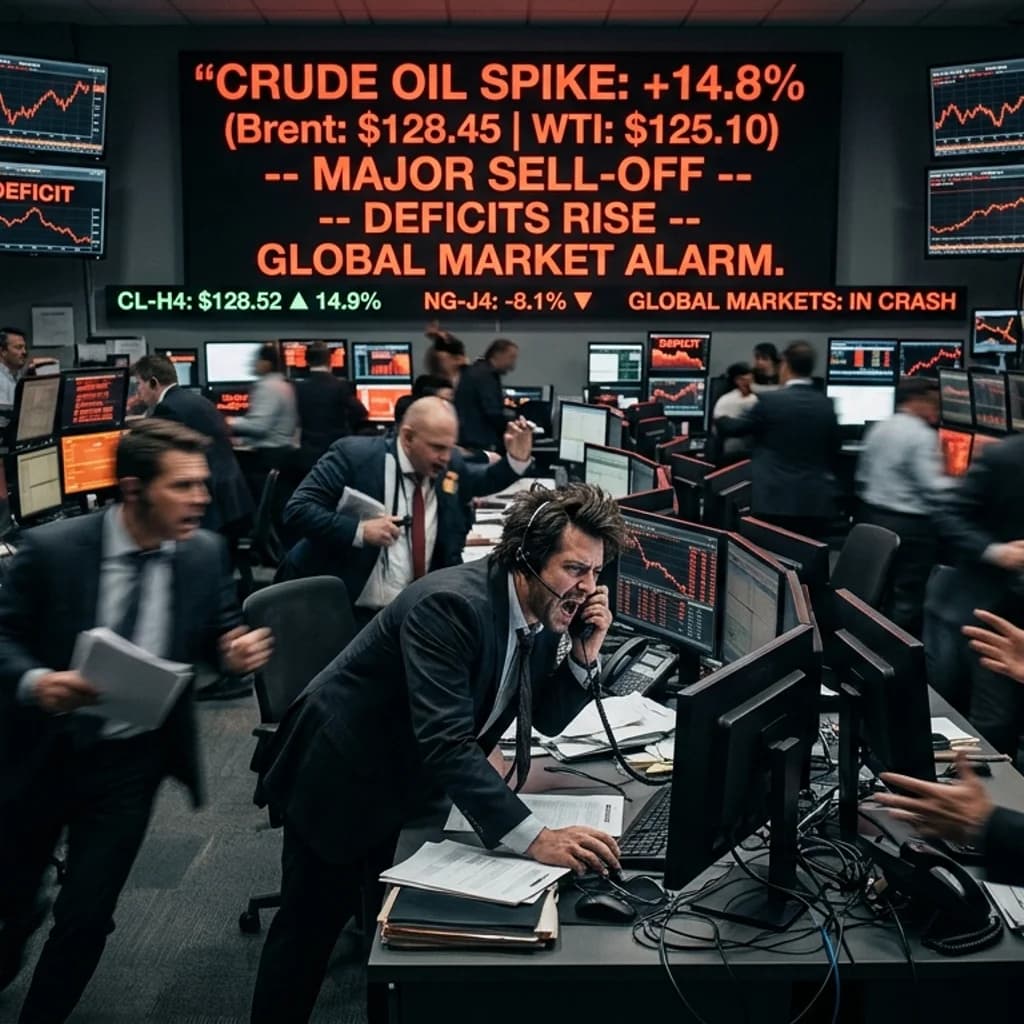
Chokepoint Warfare: The Vulnerability of Hormuz and Bab-el-Mandeb
Maritime energy transit has never been more precarious. While conventional military analyses focus on outright carrier battles, asymmetric warfare doctrines have perfected the cost-effective interdiction of vital chokepoints:
- Strait of Hormuz: Through which approximately 21 million barrels of petroleum liquids pass daily (representing ~21% of global petroleum consumption). Mining threats, autonomous submarine vessels, and coastal anti-ship missile batteries make commercial tanker transit uninsurable.
- Bab-el-Mandeb & the Red Sea: Persistent drone and ballistic strikes have rerouted 80% of container and tanker traffic around the Cape of Good Hope, adding 10 to 14 days of sailing time, straining global bunker fuel reserves, and inflating freight costs worldwide.
- Refinery Vulnerability: Concentrated regional infrastructure, including coastal desalination plants and massive hydro-skimming refineries, remains within direct operational range of precision ballistic missiles.

De-Dollarization and the Petroyuan Architecture
The economic fallout transcends physical fuel shortages. As traditional correspondent banking mechanisms (such as SWIFT) remain closed to both participants, the Moscow-Tehran axis has accelerated bilateral settlements denominated in national currencies, gold, and digital sovereign certificates, anchored by China's Cross-Border Interbank Payment System (CIPS).
When major crude oil volumes are traded outside the US dollar ecosystem, the petrodollar recycling mechanism that has financed Western sovereign debt for half a century begins to unwind. Western central banks find themselves caught in a vicious dilemma: raising interest rates to suppress imported energy inflation risks triggering sovereign debt crises, while loosening monetary policy accelerates currency debasement and stagflation. The global energy siege is no longer merely a regional crisis; it is the structural reorganization of the post-WWII monetary order.