The Final Shield
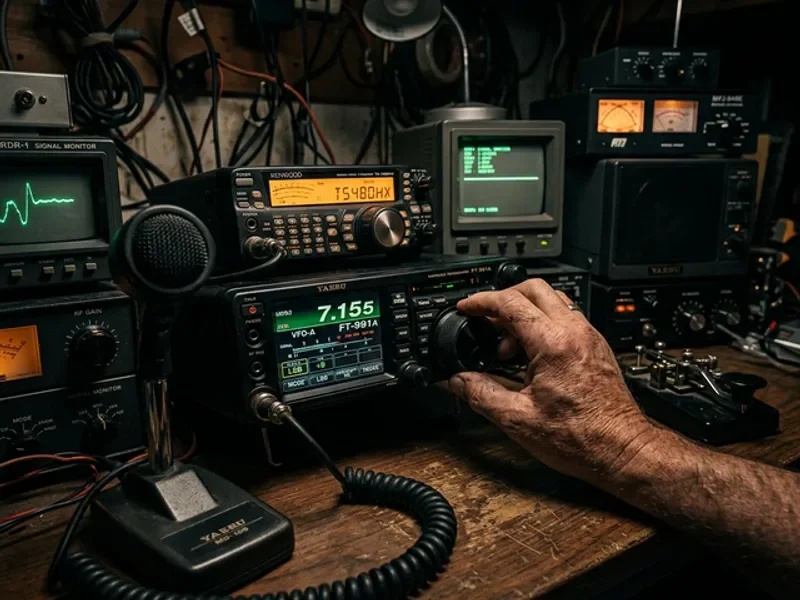
Digital exposure and physical vulnerability now bleed directly into one another. Building durable personal security requires layered defense across information hygiene, home hardening, and financial continuity.
Why Digital and Physical Security Are No Longer Separate Worlds
A decade ago, personal safety and computer security belonged to separate conversations. Locksmiths handled deadbolts; IT admins handled firewalls. That division has collapsed. Today, a breached home-security camera leaks when your driveway sits empty, a leaked phone location broker—part of a wider digital panopticon—reveals where you commute every morning, and an identity thief hijacking your mobile carrier locks you out of bank funds right when you need cash to evacuate a storm.
Volatility rarely arrives as a single cinematic collapse. More often it shows up as compounding friction: regional power failures, localized civil unrest, targeted fraud rings, or sudden banking disruptions. Protecting yourself and your family does not mean living behind barbed wire. It means constructing layered, boring defenses so that no single breach, blackout, or street incident catches you unready.
Layer One: Information Hygiene and Identity Hardening
Most personal targeting—whether financial fraud, extortion, or physical burglary—begins with cheap open-source reconnaissance. Before anyone tests a lock on your front door or calls your bank impersonating you, they search what data brokers already sell for ten dollars online.
- Freeze Credit and Lock Carrier Ports: Keep permanent credit freezes active across Equifax, Experian, and TransUnion, following reporting and recovery steps from the FTC identity theft portal. Enable carrier-level SIM/port-out locks with a dedicated PIN at your wireless provider so nobody can hijack your phone number remotely.
- Scrub Public Dossiers: Submit opt-out requests to major people-search aggregators (Whitepages, Spokeo, BeenVerified, LexisNexis) and stop posting real-time vacation photos, home layouts, or license plates on public social feeds.
- Separate Financial and Public Identities: Use dedicated email aliases and virtual card numbers for retail shopping, keeping your primary banking email and phone number private—core habits of protecting your digital existence aligned with CISA cybersecurity best practices. Store scans of passports, property deeds, titles, and insurance policies inside an encrypted VeraCrypt container on two offline USB drives—one at home, one with a trusted relative.
Layer Two: Hardening the Home Perimeter
Physical security works best when it forces an intruder to make loud, time-consuming noise while neighbors or occupants wake up. Expensive alarm subscriptions often fail the moment power drops or thieves cut outside fiber lines, whereas simple mechanical upgrades work around the clock without electricity.
Start at exterior doors. Standard half-inch brass screws holding strike plates into soft pine doorjambs splinter under a single hard kick. Replace every strike-plate and hinge screw on exterior frames with three-inch structural steel screws anchored directly into the framing studs, and install Grade-1 deadbolts with reinforced wrap-around strike boxes. Fit ground-floor sliding doors with solid wooden dowels or steel track pins, and apply heavy-gauge security film to sidelight glass near door handles so breaking a pane does not instantly unlock the deadbolt.
Outside the structure, rely on layered deterrence rather than floodlights alone: motion-activated exterior lighting at entryways, thorny foundation shrubbery beneath low windows, locked side gates, and clean sightlines that eliminate dark alcoves next to porches. Inside, keep a dedicated emergency kit containing heavy-duty flashlights, a fire extinguisher on every floor, and trauma medical gear—tourniquets, hemostatic gauze, pressure bandages—alongside basic survival medicine and trauma care, with everyone in the house trained on how to use them.
Layer Three: Financial Continuity and Offline Records
Modern commerce runs smoothly until payment terminals, cellular towers, or Federal Reserve payment systems and bank clearinghouses freeze—something storm-hit regions, telecom outages, and localized cyber incidents demonstrate every year.
Hold enough physical cash in small bills ($5, $10, $20) inside a fire-rated home safe to cover at least two weeks of groceries, fuel, and emergency hardware purchases when card networks drop offline during the first hours of a grid-down outage. Keep at least two separate checking accounts at unaffiliated institutions so a fraud lock or technical outage at one bank never freezes your household entirely. Review property, medical, and umbrella liability insurance policies annually, keeping physical printouts of policy numbers and emergency claims lines alongside offline contact lists for family members, neighbors, and local emergency services.
Layer Four: Communications Redundancy and Gray-Man Discipline
When cellular networks saturate during earthquakes, storms, or civil disturbances, voice calls fail first while SMS texts sometimes slip through hours later. Establish a clear family rally plan ahead of time: two physical meetup locations (one neighborhood spot, one outside the immediate city) and an out-of-state relative designated as a central check-in point. Keep battery-backed NOAA Weather Radio receivers and simple GMRS/FRS handheld radios programmed to pre-agreed channels for short-range neighborhood coordination.
Just as critical is personal demeanor—what security professionals call gray-man discipline. Avoid plastering vehicles with tactical decals, firearm brand stickers, or loud political slogans that advertise either high-value gear inside your trunk or partisan hostility in tense crowds. Dress cleanly and unremarkably when traveling. Maintain habitual situational awareness in parking lots, transit stations, and fuel stops: keep your head out of your smartphone, note exit paths when entering crowded venues, and trust early discomfort enough to cross the street or leave a deteriorating block before confrontation begins.
Extend that same habit to your daily vehicle. Never leave bags, laptops, garage-door openers, or insurance papers with your home address visible inside a parked car. Keep fuel above half a tank so a blocked highway never traps you empty, park facing outward when conditions feel tense so you can pull straight out without backing into traffic, and carry a discreet trunk kit built around Ready.gov emergency kit standards with paper regional maps, jump cables, drinking water, comfortable walking shoes, and basic trauma supplies. Finally, know at least two or three trusted neighbors by name—verified local relationships stop rumors fast and give everyone on your block early eyes when something looks out of place.
De-escalation and avoidance beat physical confrontation every single time. Non-lethal tools such as quality pepper spray or high-lumen flashlights—paired with formal legal and practical training if you choose to carry defensive tools—serve only as last resorts when retreat is blocked.
Security is neither paranoia nor a one-time shopping spree. It is routine maintenance: checking locks, auditing passwords, rotating cash and batteries, bookmarking verified primary advisories in our Useful Websites directory, and paying attention to your surroundings so volatility stays outside your gate.
Authoritative Sources & Further Reading
Real-time geospatial feed aggregating USGS M5.0+ earthquakes, NASA EONET wildfires, volcanoes, severe storms, UN/EC GDACS alerts, and NOAA geomagnetic status.
Related Reports & In-Depth Intel

US Air Force Hack and AI Agent Cyber Risks
The November 27 intrusion targeting US Air Force contractor and administrative networks highlights how autonomous AI hacking agents compress breach timelines from weeks into hours.
Hardened Off-Grid Mesh Networking
When cellular towers go dark and the central internet collapses, community resilience depends on hardened, decentralized digital radio mesh networks. Here is the operational field manual for deploying autonomous, unjammable local communications.

Undersea Fiber Severance and Baltic Gray-Zone Sabotage
Recent multi-point severances of undersea fiber optic trunk lines in the Baltic and Red Seas expose the fragile physical chokepoints sustaining 99 percent of intercontinental internet traffic and financial clearing systems.
Analog Sovereignty: Surviving in an AI Surveillance
A tactical operational security guide for preserving personal autonomy, digital privacy, and cryptographic defense against ubiquitous AI biometrics, synthetic media fraud, and automated state surveillance.