Cyber Warfare on Critical Infrastructure

From Ukraine's winter substation blackouts to state-backed pre-positioning inside Western water and energy networks, cyber warfare now targets physical civilization directly. Understanding the IT-OT bridge reveals why household resilience matters.
For years, corporate executives treated cybersecurity as an accounting headache—a risk of stolen credit-card numbers or embarrassing email leaks. That illusion died cleanly over the last decade as state-backed hackers and ransomware syndicates proved that keystrokes written thousands of miles away can freeze pipelines, blind port cranes, and plunge entire cities into midwinter darkness.
The track record is already written in physical outages. In 2010, Stuxnet demonstrated that tailored malicious code could spin industrial centrifuges until they tore themselves apart physically. In December 2015 and again in 2016, Russia's Sandworm unit deployed BlackEnergy and Industroyer malware against Ukrainian power distribution operators, remotely opening substation breakers and leaving hundreds of thousands of residents without heat in freezing weather. In 2017, NotPetya wiped corporate networks globally within hours, paralyzing shipping giant Maersk across dozens of container terminals. Four years later, a single compromised VPN password without multi-factor authentication allowed criminal ransomware operators to halt the Colonial Pipeline, triggering fuel panic along the entire U.S. East Coast. More recently, U.S. intelligence and cybersecurity agencies warned publicly that state-sponsored groups such as Volt Typhoon have spent years pre-positioning stealthy access inside American electric utilities, water districts, and maritime ports—exploiting flaws tracked in the CISA Known Exploited Vulnerabilities Catalog as part of broader critical infrastructure cyber-debt and grid vulnerability to hold civilian systems hostage during a future geopolitical crisis.
The Dangerous Bridge Between IT and OT
To understand why modern infrastructure is so brittle, look at how industrial control systems evolved. Fifty years ago, electrical substations, municipal water treatment plants, and natural gas compressor stations ran on electromechanical relays, analog gauges, and physically isolated control boards. An adversary had to climb a fence with bolt cutters to tamper with them.
Driven by cost-cutting and remote-monitoring efficiency, utilities spent the past twenty-five years connecting Operational Technology (OT)—Supervisory Control and Data Acquisition (SCADA) servers, Programmable Logic Controllers (PLCs), and smart field meters—to corporate Information Technology (IT) networks and internet-facing vendor maintenance portals, creating exposures routinely flagged in CISA Industrial Control Systems advisories. On paper, engineers gained real-time dashboards from headquarters. In practice, they bridged physical valves, turbine governors, and high-voltage circuit breakers straight onto networks reachable from phishing emails and unpatched edge routers.
Even when utilities claim their critical OT control loops are "air-gapped," field audits routinely uncover forgotten dual-homed maintenance laptops, cellular modems plugged into distant pump stations for convenience, or third-party vendor remote-support tunnels bypassing perimeter firewalls altogether—precisely why isolated air-gapped OT hardening and analog failsafes have become urgent priorities.
How Modern Infrastructure Attacks Actually Work
Today's most dangerous nation-state intrusions rarely look like loud ransomware screens demanding cryptocurrency. Instead, adversaries favor two far subtler methods:
- 01.Living Off the Land (LotL): Rather than dropping custom malware signatures that antivirus tools quickly flag, attackers steal legitimate administrator credentials and use built-in operating system tools (
PowerShell,WMIC, standard remote-desktop protocols) to blend invisibly into normal engineering traffic—a foothold increasingly accelerated by autonomous AI hacking and zero-day grid extortion. They can sit quietly inside a utility's directory for months or years, mapping substation wiring diagrams and backup recovery procedures while waiting for a political order.
- 02.Physical Equipment Destruction: Locking up a utility's billing database is an inconvenience; causing physical hardware failure creates months-long blackouts. By hijacking protective relays or rapidly cycling massive breakers out of phase, attackers can force catastrophic mechanical torque onto steam turbines or overload custom high-voltage step-up transformers, exacerbating the structural grid failure vulnerabilities flagged in NERC grid reliability assessments. Because bespoke grid transformers weigh hundreds of tons and carry manufacturing lead times stretching 12 to 24 months across strained global supply chains, destroying just a handful of key substation transformers simultaneously creates prolonged regional power rationing that no software reboot can fix.
- 03.Small-Utility Water and Supply-Chain Targeting: Beyond high-profile electric grids, small municipal water districts and regional hospital networks are soft targets running thinly staffed IT departments—a dynamic that drives cascading SCADA breaches and municipal water collapse. In recent incidents worldwide, attackers exploited default vendor passwords on internet-exposed programmable controllers governing chemical dosing pumps and lift stations. Unlike an office laptop that can be reimaged over a weekend, recovering poisoned OT firmware across dozens of rural pump houses requires specialized field engineers inspecting hardware site by site.
Cascading Failure Across Tightly Coupled Grids
The danger multiplies because critical infrastructure sectors depend relentlessly on one another's uptime. Knocking out regional high-voltage transmission does not merely dim living-room lamps:
- Municipal Water & Sanitation: Electric lift pumps maintain water pressure for firefighting and drinking mains; sewage lift stations require steady power to avoid backing raw wastewater into basements and rivers.
- Fuel Logistics: Gas station dispensers, refinery controls, and pipeline booster pumps stop without grid power or dedicated industrial backup generation.
- Communications & Finance: Cell towers fall back onto batteries rated for four to eight hours and diesel generators that fail once road fuel deliveries stall; point-of-sale payment clearinghouses and ATM networks drop offline simultaneously.
- Cold Chains and Healthcare: Hospital blood banks, pharmacy insulin stocks, dialysis clinics, and supermarket refrigeration begin failing inside days, turning a digital attack directly into a public health crisis.
Institutional Defenses—and Household Realism
Hardening national infrastructure requires moving backward toward physical discipline alongside standards from the NIST Computer Security Resource Center: deploying true unidirectional hardware data diodes between corporate IT and safety-critical OT networks, stripping internet modems off field PLCs, maintaining tested offline "golden image" backups, and—most urgently—retaining manual mechanical bypasses and trained field operators who can run water valves and substations locally by hand when digital HMIs go blind.
Yet taxpayers cannot wait passively for utilities and regulators to close decades of technical debt. At the household level, treating prolonged cyber disruption like a severe multi-week storm turns abstract geopolitical warnings into manageable preparedness: maintain at least two weeks of potable water plus gravity filtration, keep a modest reserve of small-denomination physical cash, secure non-electric cooking and cold-weather heating options, store critical medical and family records offline, track systemic risk metrics in our collapse data center, and keep a battery-powered AM/FM/NOAA radio tuned to NOAA Weather Radio All Hazards for local emergency dispatches. You cannot patch a regional power grid from your kitchen table—but you can guarantee your family does not become a casualty while engineers race to bring it back online.
Real-time geospatial feed aggregating USGS M5.0+ earthquakes, NASA EONET wildfires, volcanoes, severe storms, UN/EC GDACS alerts, and NOAA geomagnetic status.
Related Reports & In-Depth Intel
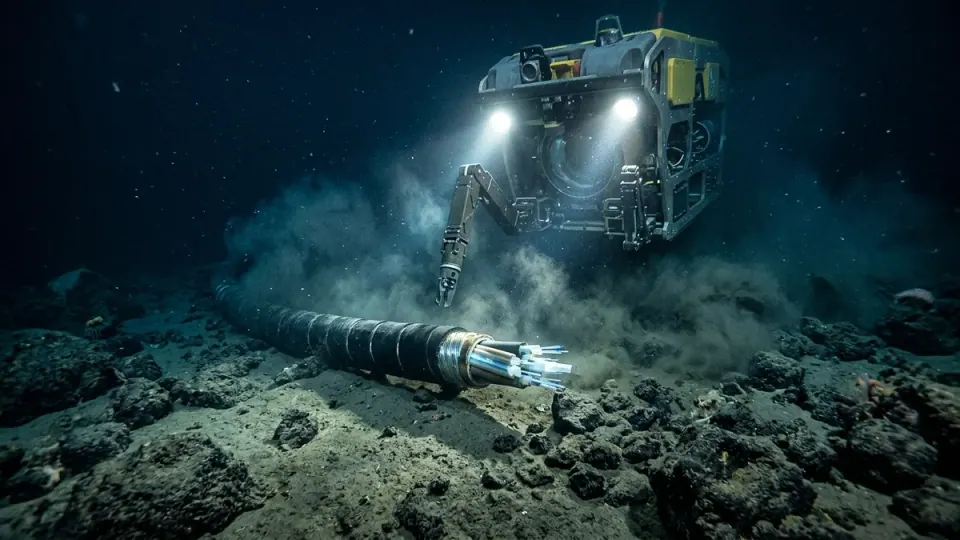
Undersea Cable Severance and Substation Warfare
From deliberate fiber severances in maritime chokeholds to dormant malware embedded in high-voltage transformer relays, the arteries of modern industrial civilization are under quiet, coordinated siege. We unpack the fragility of the global backbone.

Surviving the Digital Panopticon: The Collapse of Privacy
Modern surveillance rarely looks like a spy movie—it runs on commercial data brokers, smartphone telemetry, connected cars, and automated license-plate readers. Here is how the digital panopticon operates and how to harden your operational privacy.
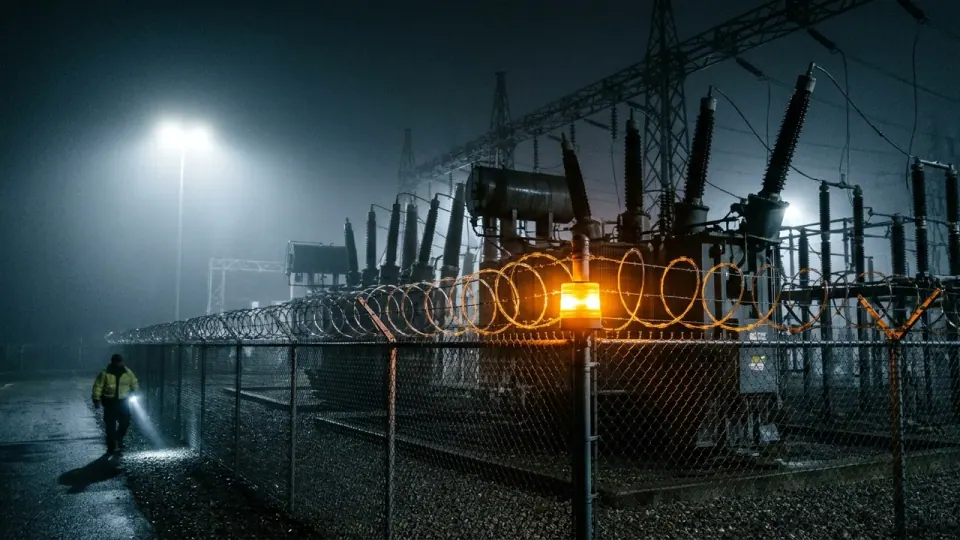
Mutually Assured De-Electrification
As November 2026 diplomacy fractures over NATO rollback demands, systematic kinetic attrition against both Russia's crude refining columns and Ukraine's high-voltage substations has pushed Eastern Europe's industrial energy architecture into an irreversible winter stress spiral.
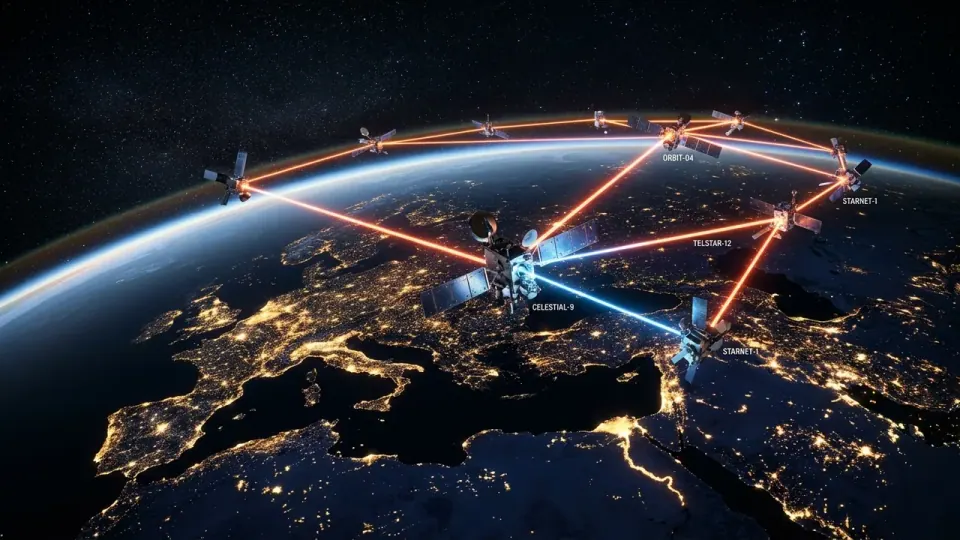
LEO Satellite Constellation Cyber Infiltration
A coordinated state-sponsored cyber intrusion into low-Earth-orbit ground teleports and optical inter-satellite links has compromised global positioning, air-traffic telemetry, and automated maritime navigation, inducing widespread blind-flight protocols.