Building to Survive
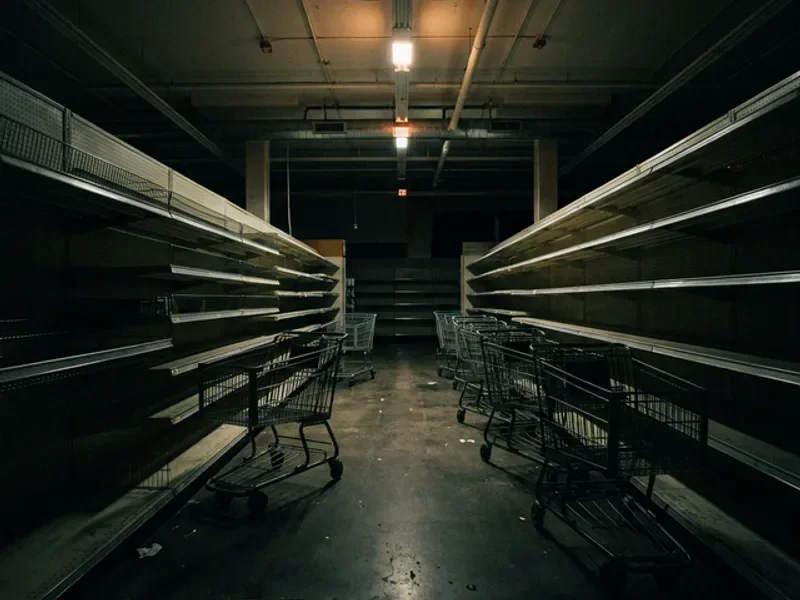
When municipal utilities fail and supply chains fracture, shelter engineering becomes a core survival skill. Here is how to site, build, insulate, and harden durable structures without relying on fragile modern infrastructure.
# Building to Survive: The Crucial Role of Construction in a Post-Collapse World
Most disaster planning obsesses over gear you can zip into a backpack while ignoring the physics of the roof over your head. Yet exposure kills far faster than scarcity. Without uninterrupted municipal gas, grid electricity, and intact roofing, an average suburban stick-built house loses interior heat within hours during a January cold snap—a failure mode dissected in our deep-freeze thermal envelope and rocket mass heater manual—bursts its copper supply lines, and breeds black mold documented in EPA indoor mold and moisture control guidelines the moment unvented propane heaters or damp firewood go indoors.
When hardware stores close and deliveries of dimensional lumber, asphalt shingles, and Portland cement stop, construction reverts to what it was for most of human history: local materials, gravity drainage, structural geometry, and hand-tool craftsmanship. Whether you are fortifying an existing homestead against prolonged civil instability, designing a survival bunker from scratch, or raising an off-grid outbuilding from timber and earth, survival construction follows unforgiving physical laws that punish shortcuts.
Site Selection: Getting Geography Right Before Digging
Half of a shelter's durability—and much of its security—is decided before a single post hole is dug. Poor siting forces you to fight water, wind, and sightlines for the rest of the structure's life.
- Drainage and Frost Line Physics: Never build in a low draw, dry creek bed, or the bottom of a hill slope where sheet runoff collects during cloudbursts. Aim for slightly elevated, well-drained ground with a gentle southern exposure (in the Northern Hemisphere) to capture low winter sun while using ridge lines or conifer windbreaks to block prevailing winter gales.
- Deadfall and Wildfire Clearance: Mature pines and shallow-rooted oaks overhanging a cabin roof become lethal battering rams during ice storms and straight-line winds. Maintain defensible clearance around roofs and outbuildings—both to prevent windfall crushing and to deny ground-level cover to approaching wildfires or intruders, aligning with Ready.gov wildfire home-ignition zone standards.
- Hidden Sightlines and Water Proximity: You want gravity-fed water or a reliable well within hauling distance, yet placing a permanent structure directly beside a main road, navigable river, or ridgeline skyline invites unwanted attention. Tucking a build below the military crest of a hill keeps silhouettes broken against trees while preserving downhill observation.
Structural Materials When Supply Chains Break
Survival builders need to understand how regional materials actually behave under moisture, freeze-thaw cycles, and structural load. Romanticizing improvised huts leads to collapsed roofs and hypothermic nights.
Timber Framing and Green Wood Reality
Locally felled timber remains the fastest structural frame available in forested regions, provided you respect shrinkage and rot. Freshly cut "green" logs shrink across their diameter as they dry, opening gaps in horizontal log walls unless scribed tightly or chinked with lime mortar and wood strips—structural tolerances detailed in the USDA Forest Products Laboratory Wood Handbook. Keep every wooden sill beam at least 18 inches off bare soil on dry-stacked stone piers, concrete blocks, or gravel-filled rubble trenches. Wood touching damp earth feeds termites and fungal rot within two seasons.
Earthbags, Rammed Earth, and Salvaged Steel
Where timber is scarce or ballistic and fire resistance matter, earth construction shines. Superadobe / earthbag building packs local damp subsoil (ideally 25–30% clay and 70–75% sand/aggregate) into woven polypropylene grain sacks or continuous tubing, tamped solid with steel hand tampers and locked between courses with two strands of four-point barbed wire for tensile strength. Earthbag domes and buttressed walls resist fire, windstorms, and small-arms fire—provided the exterior is plastered promptly with lime-cement stucco so ultraviolet sunlight does not degrade the exposed plastic fabric into dust within six months.
Do not confuse thermal mass with insulation. Thick stone, concrete, or tamped earth walls store heat slowly and release it slowly, which moderates desert day-night swings beautifully. In a freezing northern winter with little sun, however, bare uninsulated earth or concrete acts as a cold sponge that wicks heat straight out of your body while sweating interior condensation onto bedding. Cold-climate mass structures require exterior rigid insulation—or dry straw-bale/wood-chip insulative infill—and a reliable thermal break from frozen ground following DOE Energy Saver weatherization principles.
Roof Pitch, Overhangs, and Salvage Priorities
As old builders say, a structure only needs a good hat and good boots. Salvage efforts during early supply shortages should prioritize corrugated metal roofing, heavy synthetic underlayment, galvanized structural fasteners, and wood-stove chimney pipe long before decorative siding. Steep roof pitches shed heavy snow loads without requiring massive engineered trusses, while generous 24-inch eaves keep driving rain off earth or wood walls.
Heating, Ventilation, and Carbon Monoxide Discipline
Building an airtight shelter without planning combustion air is a silent killer. Tightly sealed spaces heated by camp stoves, kerosene heaters, or leaky wood stoves rapidly build lethal carbon monoxide concentrations—a hazard tracked in CDC carbon monoxide poisoning prevention guidance—or starve flames of oxygen.
- External Combustion Intakes: Any serious solid-fuel wood stove or masonry rocket mass heater inside a small shelter benefits enormously from a dedicated 3-to-4-inch exterior air intake ducted near the firebox, preventing the stove from sucking icy outdoor air through every window crack across your sleeping space.
- Flue Clearances and Spark Arrestors: Most off-grid cabin fires start where hot single-wall stovepipe passes too close to dry roof rafters. Use proper double-wall insulated Class A chimney pipe through roof and wall penetrations, maintain strict clearance from combustibles, and fit mesh spark arrestors over chimney caps.
- Gravity Rainwater Plumbing: Route roof gutters through simple first-flush leaf diverters straight into elevated dark opaque cisterns, pairing catchment with proper field water purification methods. Even a modest 600-square-foot metal roof yields over 350 gallons of water from a single one-inch rainstorm—eliminating backbreaking bucket hauls.
Hardening Existing Homes and Perimeter Defense
For most people, staying put and hardening an existing structure beats abandoning utilities to live in a wet woods lean-to. Start with physical weaknesses burglars and looters exploit first:
- Replace short half-inch latch screws on exterior entry doors with three-inch hardened structural screws anchored deep into framing jack studs, backed by heavy steel strike-plate wraps.
- Reinforce ground-floor glass with heavy polycarbonate interior storm panels or security window film anchored to frames, paired with removable insulated exterior shutters that block both thermal heat loss at night and prying eyes during grid blackouts.
- Shape perimeter security with passive barriers: thorny native hedgerows (osage orange, blackberries, hawthorn) beneath windows, gravel walkways that crunch loudly underfoot, solar motion floodlights with physical kill switches, and clear observation lanes rather than indiscriminate traps. Homemade booby traps are illegal under ordinary law, routinely maim family members or neighbors, and turn minor trespassers into lethal enemies.
Hand Tools That Never Wait on a Charger
Power tools lose usefulness once fuel runs low or batteries freeze, underscoring why manual survival tools outperform fragile electronics. A durable shelter kit relies on human-powered classics kept oiled and sharp: a bow saw or crosscut saw, splitting maul and felling axe, framing hammer, pry bar, hand brace with auger bits, chisels, drawknife, plumb bob, chalk line, and spiral-shank nails, timber screws, and heavy-gauge wire.
Post-collapse construction is unglamorous, dirty work—smelling of wet clay, pine pitch, and woodsmoke. Yet a dry roof, insulated sleeping alcove, clean flue, and latched oak door buy the rarest commodity in any crisis: restorative sleep out of the weather.
Authoritative Sources & Further Reading
Real-time geospatial feed aggregating USGS M5.0+ earthquakes, NASA EONET wildfires, volcanoes, severe storms, UN/EC GDACS alerts, and NOAA geomagnetic status.
Related Reports & In-Depth Intel

Stockpiling Spares Before the Strait Closes
With Chinese carrier and coast guard drills rehearsing a shipping quarantine around Taiwan, households and small workshops should build a targeted two-year spare-parts cache before East Asian electronics and tool imports stall.
Countries Issuing Crisis Preparedness Warnings and Guides
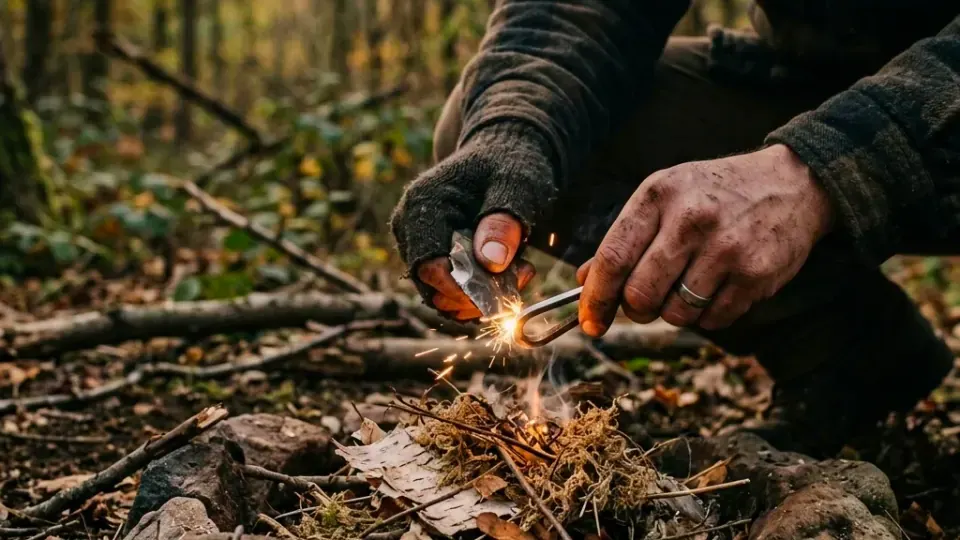
A factual compilation of countries that have issued official household crisis preparedness warnings and manuals—from Sweden, Finland, and Norway to Germany, France, the EU, and the United States—and what they instruct citizens to store.
How to Act During Cyberattacks, Disasters, and Conflict
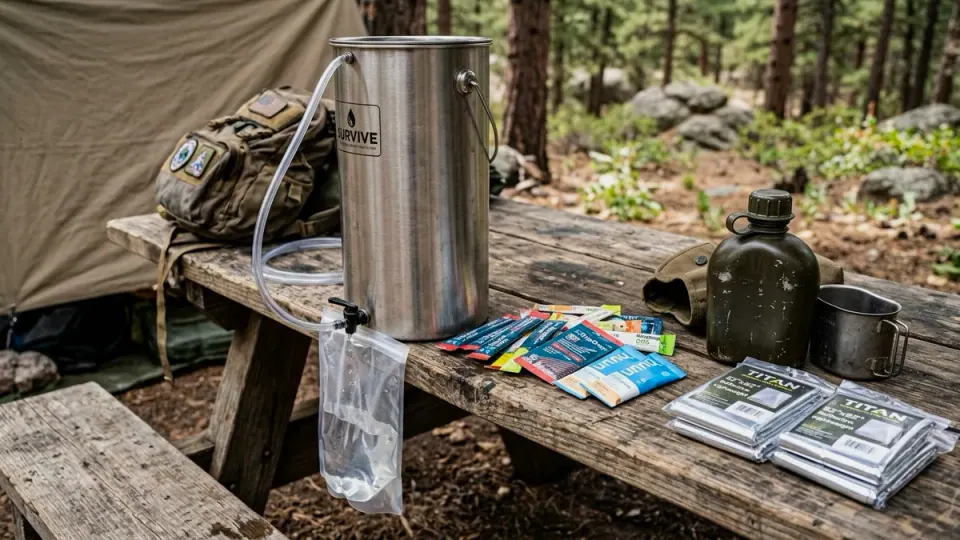
Gear only works if you know what to do in the first hours of a major shock. Here is a calm, field-tested action protocol for severe cyber blackouts, extreme weather disasters, and the sudden onset of armed conflict.
What to Stockpile for Cyberattacks, Climate, and Conflict
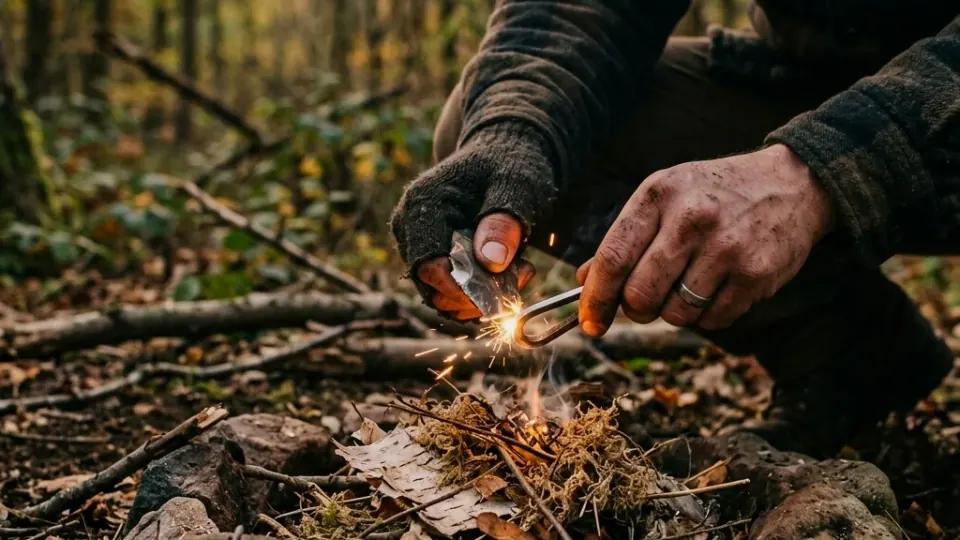
When European civil-defense agencies, FEMA, and cybersecurity authorities all update their household preparedness guides at once, skip the gimmicks and stock the exact essentials that cover cyber blackouts, extreme weather, and supply shocks.